Why should you pick an early-career surgeon?
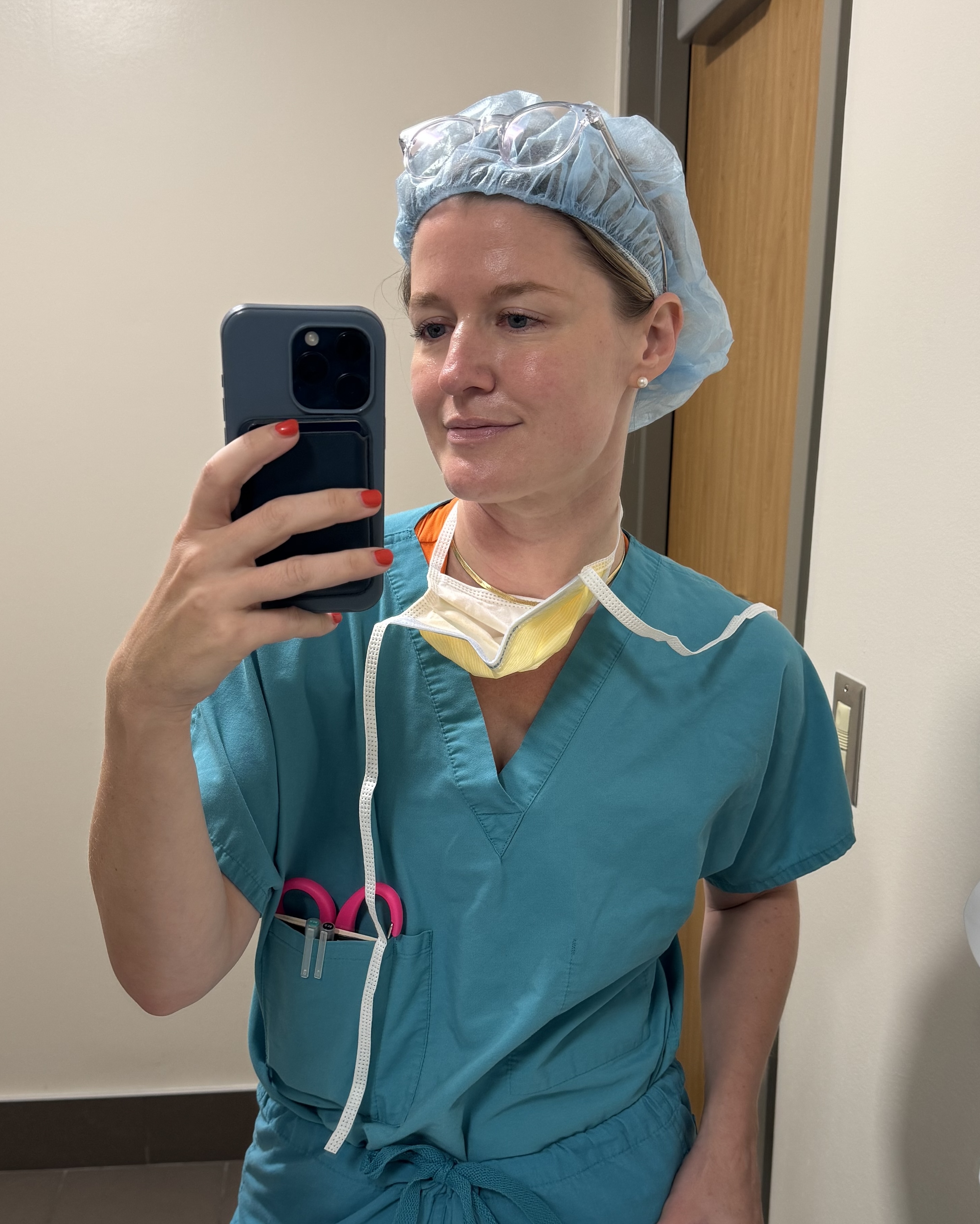
While I am new to independent practice, I have been actively operating and learning from some of our nation’s most experienced surgeons for the past 6 years at the University of Pennsylvania. To become a plastic surgeon, you spend 4 years in medical school, and then 6 years in residency, which is a form of apprenticeship for surgeons with graduated autonomy, so while you are assisting more senior surgeons in your early days, by the end you are very much a full-fledged surgeon, operating independently! During my last year of residency, I also ran my own aesthetic plastic surgery clinic, where I had the opportunity to work with patients from consult to post-op essentially on my own.
Picking an early-career surgeon isn’t for everybody, but I’ve found that many patients view it as a positive! Younger surgeons tend to be more open-minded, more collaborative, more directly invested in YOU as one of their extremely important early patients, and they are also the most up-to-date on new techniques and technologies, and more adaptable to trying new things!
The evidence also suggests that you are in very good hands with an early-career surgeon: studies show that when you control for the complexity of operations (paradoxically, early-career surgeons across specialties often take on more complex cases), early career surgeons do not have increased complication rates or differences in quality of outcomes relative to more senior surgeons.
There is also a growing body of evidence that female physicians have modestly but consistently better clinical outcomes.
Picking a surgeon is an incredibly personal process! It’s a bit like dating, in that there are tons of different factors that go into who you pick, but ultimately, no matter how much you strategize, there’s a big element of faith and trust involved. I always encourage my patients to seek multiple consults and perspectives before they pick their surgeon, and if I’m not the person for you, there are no hard feelings.
Are you a board certified surgeon?
I am a board eligible surgeon, which means that I am in the process of applying for certification from the American Board of Plastic Surgery. Becoming a board certified plastic surgeon requires completing medical school and an accredited plastic surgery residency (check and check) PLUS during your first year in practice, you must take and pass a written exam, and then go through a very intense process called “oral boards.”
Oral boards is a process that involves collecting detailed records and photographs from all of your cases in practice for about 8 months of time, and if your cases meet strict criteria, you then have the opportunity to present them to your appointed “board examiners,” who will evaluate your cases, ask you lots of tough questions about your decision-making, and then also present you with new example cases from across the full range of plastic surgery (hand surgery, pediatric craniofacial, trauma, free flap reconstruction, oncologic reconstruction, aesthetic surgery, etc) and evaluate your management of them in an oral exam format.
This is an extremely stressful and intense process!!! And only adds to the stakes for excellence for plastic surgeons in early practice, because you know every one of your outcomes will be heavily scrutinized by some of the most esteemed surgeons in our community.
Schedule a consult to see if we are a good fit!
Book a Consultation